
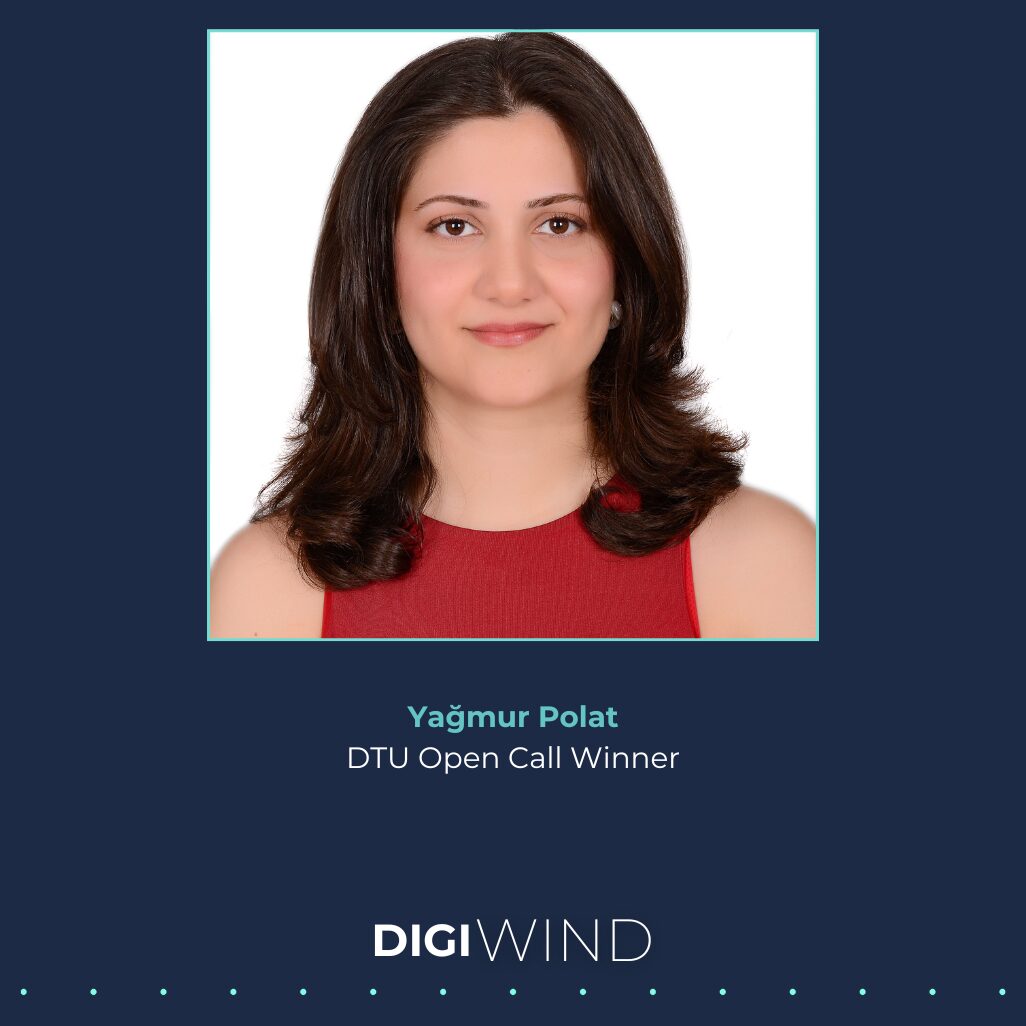
Connecting Atmospheric Science and Engineering
For students with a foundational background in meteorology, transitioning into renewable energy systems represents a direct application of their skills. Yağmur Polat chose the MSc Eng. in Wind Energy at DTU specifically to bridge these two domains.
Her academic interests sit at the intersection of atmospheric science, fluid dynamics, and renewable infrastructure. For Yağmur, pursuing this specific curriculum aligns with her goal of building an academic research career within the wind energy sector.
“Since DTU’s Wind Energy programme is widely recognized as one of the most prestigious and well-established programmes in the field worldwide, I believe it offers an exceptionally inspiring environment for both academic and personal growth.”
Overcoming the Barriers for International Students
Securing postgraduate opportunities in Europe can involve complex financial navigation, particularly for non-EU applicants facing high tuition fees. Yağmur notes that while DTU was her primary choice, the associated costs initially made the target seem out of reach.
The DigiWind scholarship altered that trajectory by addressing the tuition barrier, making her relocation and studies logistically viable. Beyond the financial utility, the selection process provided critical validation.
“Receiving this award therefore means a great deal to me,” Yağmur explains. “It not only eases part of the financial burden associated with studying abroad and makes this transition more accessible, but also turns a long-standing dream into a real opportunity. Beyond the financial support, being selected for this award is highly motivating and reassuring. Additionally, the feedback provided during the evaluation process was also very valuable for me.”
Bridging Theory and Practical Application
The interdisciplinary framework of the DigiWind project is a key point of interest for Yağmur. Rather than focusing solely on isolated classroom lectures, she highlights the value of structured masterclasses and collaborative activities.
These platforms serve as a meeting point where postgraduate students, academic researchers, and industrial professionals work together. Yağmur views this collaborative setup as an essential tool for converting theoretical physics and fluid dynamics into practical solutions for modern energy grids.
A Message for International Applicants
Reflecting on the application process, Yağmur offers a practical perspective for prospective students who might hesitate to apply:
“Applying for opportunities like DigiWind can feel intimidating, but it is always worth taking the chance. Programmes like this are not only financial support mechanisms, but also gateways to valuable academic networks, new perspectives, and professional growth.”
Information on upcoming Open Calls and eligibility guidelines is available at digiwind.org/open-calls/.
