
The transition to clean, carbon-free power is no longer just a climate objective – it is a massive data and engineering challenge. As renewable energy deployment accelerates worldwide, the sector faces an immediate demand for advanced digital solutions, precise forecasting tools, and sophisticated data processing.
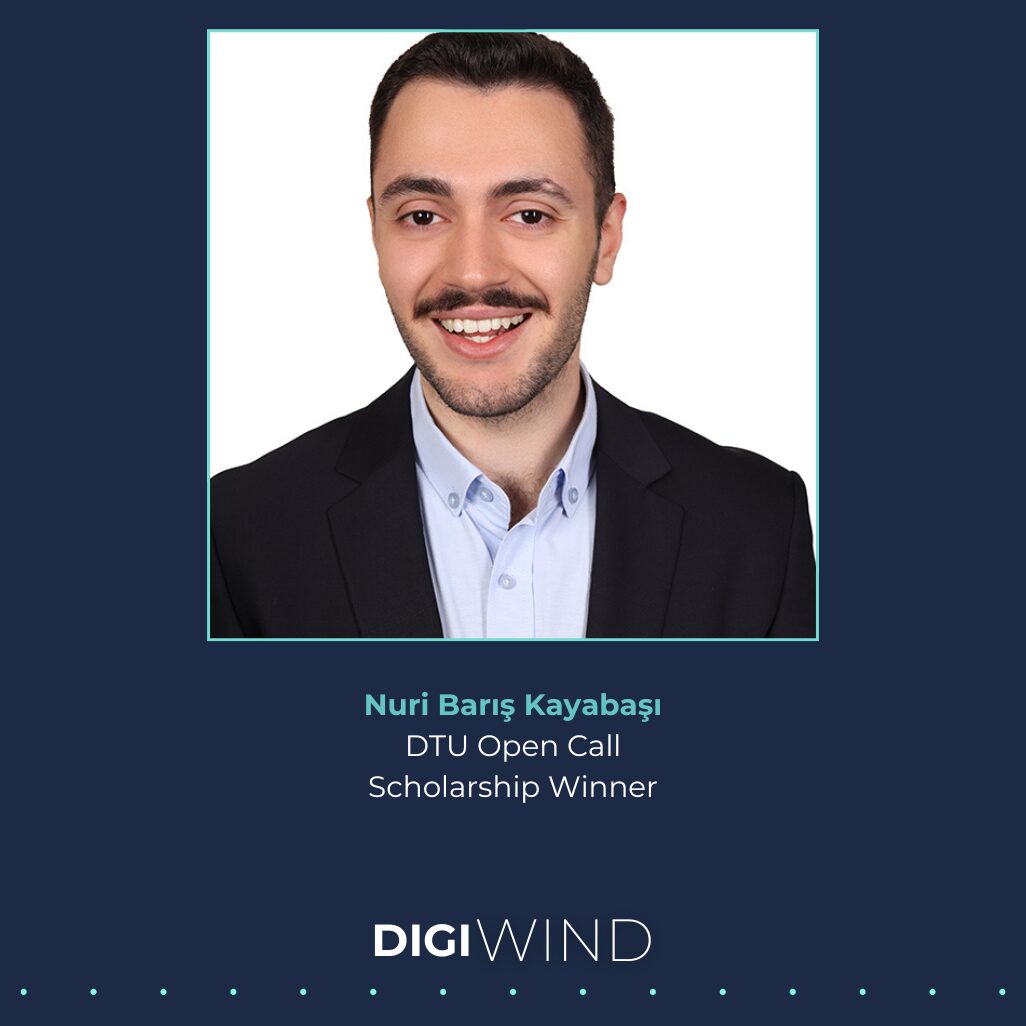
Addressing this specific skills gap is exactly why the DigiWind programme exists. We are proud to spotlight one of our recent scholarship recipients, Nuri Barış Kayabaşı, who is beginning his Master of Science (MSc) in Sustainable Energy Technologies at the Technical University of Denmark (DTU).
Navigating the Complexity of Clean Energy
For Nuri, entering the renewable energy space means engaging directly with the intricate systems that keep modern grids stable.
“While building a world with sustainable, carbon-free energy sources sounds interesting and exciting, it requires sophisticated and complex technical knowledge,” Nuri explains. “The increasing amount of renewable power sources brings a need for accurate forecasting, data processing, and digital solutions. I am looking forward to advancing myself in the practical application of renewable energy technologies that will shape the energy sector in the coming decades.”
Choosing the right environment to develop these skills was essential. By joining a programme backed by DTU’s world-class research infrastructure and DigiWind’s pan-European network, Nuri is stepping into an ecosystem built for real-world impact.
Gaining European Perspectives
One of the distinct features of the DigiWind framework is its multi-partner structure, which connects top-tier academic institutions with fast-moving industrial pioneers. This collaborative format is highly anticipated by incoming students who want to look past regional silos.
“Energy challenges can appear differently in different regions of the world,” notes Nuri. “Moreover, even when the same challenge exists, different countries and organisations often develop different approaches to solving them.”
Through targeted programme elements like specialised masterclasses and intensive bootcamps, students get to step outside standard lecture halls to debate these varying operational frameworks. “I see masterclasses and bootcamps as a unique opportunity for this purpose. I believe these interactions can provide perspectives that are difficult to gain through traditional classroom learning alone.”
Validation Through the Application Journey
Applying for highly competitive European funding can often feel daunting, yet Nuri found that the application process itself offered meaningful clarity.
“In our lives, we face many short-term and long-term dilemmas, and each of them contributes to shaping who we are,” he reflects. “For this reason, being evaluated from an outside perspective can sometimes provide valuable answers to the questions and uncertainties we have about our own path. During the application process, I found the evaluation and feedback highly valuable, because it helped me gain a clearer understanding of my profile and confirmed that I am on the right path.”
A Message to the Next Generation
As DigiWind continues to open up flexible learning pathways and structural academic funding across Europe, Nuri encourages other qualified students and engineering professionals to overcome hesitation and apply.
“My advice to future applicants is simple: do not reject yourself before giving yourself a chance. I want to leave you with a quote from Rumi, one of the most influential cultural figures of my culture: ‘As you start to walk on the way, the way appears.'”
Information on upcoming Open Calls and eligibility guidelines is available at digiwind.org/open-calls/.
